Understanding the Pakistani Man: Matrimonial & Halal Guide
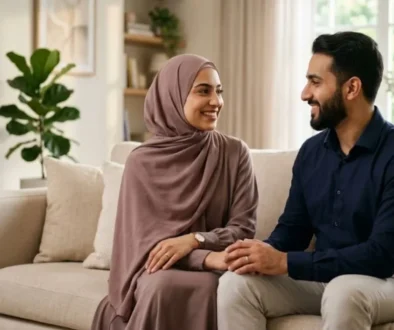
Choosing a life partner within the global Muslim community requires a delicate balance of cultural understanding and adherence to Islamic principles.
If you’re a Muslim woman considering marriage to a Pakistani man, understanding his cultural background, family values, and Islamic beliefs can help you build a strong, successful, and lasting marriage.
This guide provides an honest, real-world look at Pakistani matrimonial dynamics, helping you navigate the process safely, transparently, and in alignment with halal principles.
Why Family Involvement Still Matters in Pakistani Muslim Marriages
In most Pakistani Muslim families, marriage is rarely a two-person decision. Parents, and often extended family, are part of the conversation from the first serious message onward. This isn’t unique to Pakistani culture — it reflects a broader emphasis in marriage in Islam on marriage as a family and community matter, not just a romantic one.
Practically, this means a man who seems keen on a platform may still need to “run it by home” before moving forward. That’s not necessarily hesitation, it’s often just how the process works. Women coming from more individualistic dating backgrounds sometimes read this as a lack of interest, when it’s actually standard procedure.
Deconstructing Pakistani Man Behavior in Relationships
Observing Pakistani man behavior reveals a complex interplay between traditional masculinity and deep-seated emotional devotion. In a relationship aimed toward marriage, a man from this background often expresses care through protective instincts and financial responsibility. They are taught to view themselves as providers, an ideal closely aligned with the roles outlined in islam and marriage.
However, communication styles can sometimes be indirect. Due to cultural norms regarding modesty, expressing vulnerability might not always come naturally at first. Patience and creating a safe, judgment-free space are essential for building emotional intimacy while respecting halal boundaries before the islamic marriage ceremony nikah.
Seven Traits of the Average Pakistani Man
Every individual is unique, but certain cultural patterns frequently surface due to shared societal upbringing. Here is an honest, lighthearted, yet insightful breakdown of common traits you might encounter.
1. He Loves His Mom
In Islamic tradition, the status of the mother is exceptionally elevated, and this deeply shapes the mindset of a Pakistani groom. A Pakistan man will often hold his mother’s opinion in the highest regard, especially when it comes to selecting a spouse or setting up a household. Balancing this respect with the autonomy required for a new marriage is a common step in their personal growth.
2. He Doesn’t Like the Movies You Like
While you might enjoy complex psychological thrillers or contemporary indie dramas, his tastes might lean heavily toward intense action flicks, cricket matches, or traditional local dramas. Finding common ground in entertainment can be a fun bonding experience, but don’t be surprised if your watchlist preferences diverge early on.
3. He Knows More Swear Words Than You Think He Does
Even the most polite, soft-spoken individual often grows up exposed to a colorful vocabulary of local slang and expressive phrases used among close friends or during stressful traffic jams. While he will likely maintain a highly respectful demeanor around you and your family, it is a normal part of the local urban linguistic landscape.
4. Beauty Over Brains – End of Story
While this is a stereotype that modern, educated men are actively breaking, traditional societal pressures still place a heavy emphasis on external presentation. Many families prioritize physical appearance during the initial matchmaking phases. However, long-term compatibility always requires a deeper alignment of intellect, values, and religious commitment.
5. He Loves His Car
Whether it is a meticulously polished sedan or a heavily customized local ride, many men take immense pride in their vehicles. A clean car is often viewed as a status symbol and a reflection of personal responsibility. Do not be surprised if car maintenance ranks high on his weekend to-do list.
6. He Won’t Notice Your Freshly Plucked Eyebrows
Subtle changes in your appearance, like a minor trim or slightly altered eyebrow shaping, will likely go entirely unnoticed. Most men focus on the overall picture rather than minute cosmetic details. If you want him to notice a change, you will usually need to point it out directly.
7. He Likes Shareef, Sharmeeli and Suggharh Girls
These traditional Urdu terms translate roughly to respectable, modest, and domestically capable. Even in contemporary circles, many men and their families look for a partner who embodies modesty (haya) and possesses the skills to maintain a harmonious, welcoming home environment, blending modern education with timeless cultural graces.
Understanding a Pakistani Man in His Late 20s to Mid-30s for Nikah
When considering a Pakistani man in his late 20s to mid-30s, you are looking at an individual who is typically transitioning from youthful ambition into established stability. At this stage of life, the pressure from family to settle down intensifies, making them highly serious, marriage-minded candidates rather than casual browsers on apps.
By this age, most have achieved a level of career stability and are actively looking for a partner to build a life with. They are more likely to appreciate direct discussions about long-term goals, financial planning, and how to practice islam in marriage effectively, making them ideal partners for women seeking a committed, mature relationship.
How to Find Pakistani Nice Men’s Profiles Safely Online
Finding Pakistani nice men’s profiles requires a strategic and cautious approach. While the internet makes connecting easy, it also introduces risks of misrepresentation or insincerity.
- Use Dedicated Matrimonial Platforms: Choose services like errangemarriage.com that focus specifically on serious marriage rather than casual dating.
- Verify Information: Do not hesitate to ask clarifying questions about their background, profession, and family.
- Keep Communication Transparent: Avoid private, unmonitored chats for extended periods. Involve family members early to maintain a respectful, halal environment.
- Look for Consistency: A genuine individual’s words will align with their actions over time.
Navigating the Search: From a Pakistani Man Selfie to a Real Match
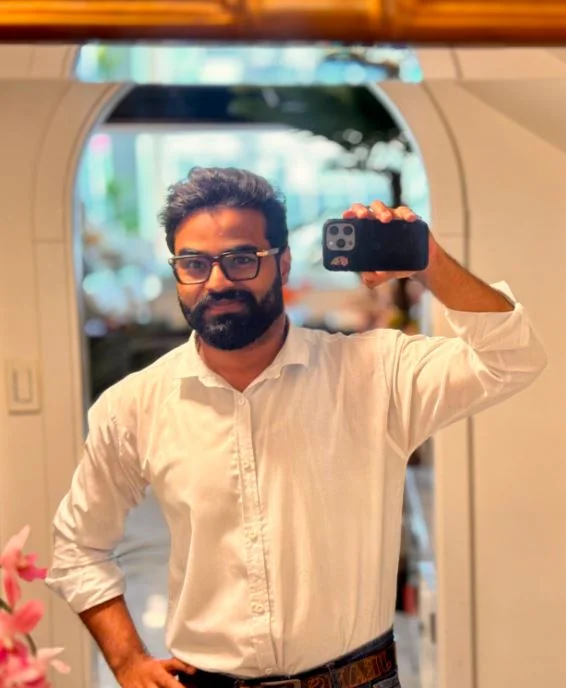
In the digital matchmaking space, an initial impression often starts with a visual profile. While searching, you will encounter various styles, from a casual Pakistani man selfie taken on the go to polished, formal photographs. While a Pakistani handsome man’s picture gallery can catch your eye, it is vital to look beyond the surface.
What a Visual Profile Tells You
- Personal style and presentation
- Initial physical attraction
- Glimpses into their lifestyle
What Real Conversation Reveals
- Alignment on islamic marriage rules
- Commitment to family values
- Genuine readiness for a Nikah
What Pakistani Muslim Men Typically Look for in a Wife
There’s no single template — men vary as much as women do — but a few patterns show up consistently in matrimonial conversations:
- Deen (religious commitment) often comes up early, more directly than it would in a Western dating context.
- Compatibility with family dynamics — how you’ll relate to in-laws, especially if joint or nearby living is expected.
- Shared long-term goals around children, location, and career balance.
What’s less universal than people assume: looks, docility, or “traditional” personality traits. Treating any of these as a fixed rule does a disservice to the range of men actually using matrimonial platforms — plenty are looking for an equal partner, not a stereotype.
How Wali and Guardian Involvement Works in the Nikah Process
The wali (guardian, usually the father or another male relative) plays a formal role in a woman’s Nikah under islamic marriage guidelines. This isn’t about control — it’s a built-in safeguard, and understanding it early prevents confusion later.
In practice, this means:
- A serious proposal will usually involve your wali being contacted directly, not just you.
- Questions about the man’s background, intentions, and family may come from your wali before things progress.
- The islamic marriage ceremony nikah itself requires the wali’s consent as one of the conditions of a valid contract.
Some women find this reassuring — it puts a trusted person between them and someone they’ve only known online.
Common Communication Styles in the Early Getting-to-Know Stage
Communication style is where a lot of early mismatches happen — not because of bad intentions, but different defaults.
Some patterns worth knowing:
- Direct, logistics-first questions (family, career, location, marriage timeline) can come across as blunt if you’re expecting a slower emotional buildup.
- Humor and personal disclosure often come later, after religious and family compatibility feels settled.
- A short reply isn’t automatically disinterested — some men treat matrimonial chats more like a structured conversation than a casual one.
None of this is a rule for every man. It’s a pattern worth recognizing so you don’t misread pacing as a red flag when it’s just a different conversational rhythm.
Halal Communication Guidelines Every Woman Should Understand
Most reputable Muslim matrimonial platforms, including eRangeMarriage, build their messaging structures around halal interaction principles — no unsupervised meetups, no exchanging personal contact details too early, and encouragement to involve a mahram or family member once things get serious.
This matters for two reasons. First, it keeps the process aligned with Islamic guidelines around interaction between unmarried men and women. Second, it’s a practical safety layer — platform-based messaging with built-in boundaries is easier to walk away from than a private number shared too soon.
Red Flags to Watch For vs. Normal Cultural Differences
Cultural differences and genuine red flags get confused often enough that it’s worth separating them plainly.
Normal cultural differences
- Wanting parental approval before proceeding
- Asking early, direct questions about family background
- A slower pace before personal topics come up
Actual red flags (regardless of culture)
- Pressuring you to hide the relationship from your own wali or family
- Avoiding any mention of his family or evading questions about them
- Pushing to move communication off-platform immediately
- Inconsistent stories about marital status or intentions
If something feels off, trust that instinct — it’s not “cultural sensitivity” to ignore genuine warning signs.
Balancing Modern Careers with Traditional Family Expectations
A lot of Pakistani Muslim men on matrimonial platforms today are professionals — doctors, engineers, business owners — often balancing a fairly modern career life with family expectations that lean traditional. This can create real tension: a man might genuinely want a working wife, but come from a household where that’s still being negotiated.
Worth asking directly, early: What does he expect day-to-day after marriage? Where do his parents stand on it? Vague answers here are more telling than a confident “yes” or “no” either way.
What to Consider Before an Islamic Marriage Ceremony Nikah
Before finalized plans are made and the islamic marriage dress is selected, certain practical steps should be taken to ensure long-term harmony. Engaging in islamic marriage counseling can help couples navigate difficult topics before they become sources of conflict.
Consider discussing expectations regarding living arrangements (nuclear vs. joint family), financial management, career goals for both partners, and how you intend to raise children within the faith. Addressing these topics openly ensures that when the day arrives to share islamic marriage wishes and marriage greetings in islam, you are both stepping onto a shared path with absolute clarity and peace of mind.
Marriage Rules in Islam Every Bride Should Know Before Nikah
A basic grounding in marriage rules in islam helps you evaluate any proposal more clearly, regardless of the man’s nationality:
- Mutual consent — both parties must agree freely; a Nikah without genuine consent isn’t valid.
- Mahr (dower) — a mandatory gift from the groom to the bride, agreed upon before the contract.
- Wali and witnesses — generally required for the contract to be considered valid under most schools of thought.
- Marriageable age in Islam — tied to physical and mental maturity rather than a single fixed number; families and local law both play a role here
Knowing these 4 conditions of marriage in Islam — consent, mahr, wali/witnesses, and a clear offer-and-acceptance (ijab-o-qubul) — gives you a checklist to measure any proposal against, rather than relying on assumptions about “how things are usually done.”
Tips for Matching Successfully on a Muslim Matrimonial Platform
- Be specific in your profile. Vague profiles attract vague matches; clarity about your deen, lifestyle, and expectations filters out poor fits early.
- Involve your wali sooner rather than later. It saves time and adds a layer of vetting you can’t do alone.
- Ask about family dynamics directly. Living arrangements after marriage matter more long-term than most early conversations suggest.
- Don’t rush past disagreement. A respectful difference of opinion during matching conversations often previews how disagreements will go after marriage.
Addressing the Stereotypes: From the Laziest Pakistani Man to the Hardworking Groom
Popular media and online memes sometimes paint a caricature of the laziest Pakistani man who leaves all domestic duties to others while expecting royal treatment. While cultural spoiling of sons does exist in some traditional households, it is unfair to label an entire demographic based on a Pakistani man comic or internet jokes.
In reality, the vast majority of modern Pakistani men are exceptionally hardworking, deeply driven to provide for their families, and increasingly willing to share household responsibilities. Evaluating a potential spouse based on his personal character, work ethic, and adherence to islamic rules of marriage rather than generalized stereotypes ensures a fair and balanced matchmaking experience.
Privacy and Safety Considerations for Women Online
Verification matters more than people assume going in. Look for platforms that verify identity, allow you to control who sees your photos, and give you the ability to block or report without drama. Be cautious of:
- Profiles with no verifiable family or work details
- Requests to move to WhatsApp or a phone call within the first few messages
- Anyone discouraging you from telling your wali about the match
None of this is unique to Pakistani men specifically — it’s just good practice on any matrimonial platform.
Frequently Asked Questions
Conclusion
Marrying a Pakistani Muslim man isn’t defined by a checklist of national traits — it’s shaped by the same things that matter in any halal marriage search: family involvement, clear communication, and grounding the process in the actual conditions and etiquette of Nikah rather than assumptions.
Ask direct questions, involve your wali early, and pay attention to how someone handles disagreement during the matching conversation itself — that tells you more than any generalization could. If you’re ready to start that search with built-in verification and halal communication guidelines in place, it is worth exploring as one option among several.