6 Things That Destroy a Marriage: An Islamic and Psychological Perspective
Marriage is one of the most sacred bonds in Islam. It is described in the Quran as a source of tranquility, love, and mercy (Mawaddah and Rahmah). Yet, building a lasting relationship requires continuous effort, patience, and understanding. Even the strongest connections can weaken if negative habits are left unchecked over time.
Whether you are currently married or preparing for this beautiful journey through a dedicated platform like Errange Marriage, understanding what damages a partnership is the first step toward long-term success.

Friendship Between a Husband and Wife
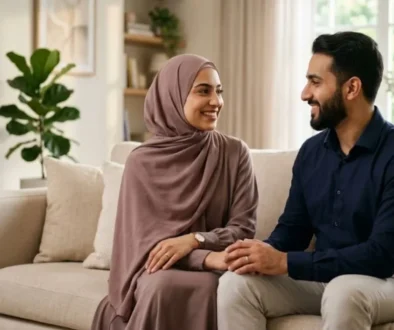
In both Islamic tradition and relationship psychology, marital friendship is the cornerstone of a resilient marriage. Viewing each other as best friends creates a safe, judgment-free sanctuary rooted in emotional intimacy, transparency, and vulnerability. This sacred bond transforms daily routines into a fulfilling spiritual and emotional partnership, embodying the Quranic description of spouses as protective, comforting garments for one another.
Practically, couples who nurture this friendship navigate life’s inevitable stressors with greater empathy, choosing gentle dialogue over harsh criticism. Shared laughter and a genuine interest in each other’s thoughts infuse the home with continuous barakah (blessing) and security. Rather than letting the relationship fade into a dull roommate dynamic, prioritizing a deep friendship ensures a couple remains profoundly connected over time, protecting the holy contract of Nikkah from the gradual erosion of intimacy.
Choosing a Strong Foundation for Your Future
Every healthy marriage requires consistent protection from these destructive habits. Recognizing these vulnerabilities early allows couples to heal, communicate better, and grow closer together.
If you are ready to begin your search for a life partner in a safe, dignified, and values-centered environment, consider exploring how Errange Marriage helps Muslims worldwide build strong, lasting foundations. You can read inspiring journeys on our Success Stories page or view our flexible Pricing Packages to find a plan that works best for your journey.
1. The Erosion of Emotional and Physical Intimacy
In psychology, a marriage thrives on emotional vulnerability and a secure attachment. When couples stop sharing their thoughts, fears, and daily experiences, they begin living like roommates rather than life partners.
Islam heavily emphasizes the importance of comfort and closeness between spouses. The Quran beautifully states that husbands and wives are like garments for one another (Surah Al-Baqarah, 2:187). A garment protects, covers imperfections, and provides warmth.
When a couple allows emotional distance to settle in, a dangerous gap forms. This neglect often leads to resentment, making the relationship vulnerable to external temptations. Protecting intimacy means intentionally setting aside time to talk, listen, and show affection every day.
2. Poor Communication Patterns and Constant Criticism
It is not the presence of conflict that breaks a marriage, but how that conflict is managed. Renowned relationship psychologists often point to constant criticism and contempt as top predictors of divorce. There is a distinct difference between expressing a complaint and attacking your partner’s character.
-
A Complaint: “I felt hurt when you forgot our plans tonight.”
-
A Criticism: “You never care about my time. You are completely selfish.”
Prophet Muhammad (peace be upon him) always spoke with kindness, clarity, and gentleness. He advised that gentle speech lifts a relationship, while harshness degrades it.
When criticism becomes the default language in a home, defensive behavior follows. Eventually, partners stop communicating altogether to avoid conflict, leaving important issues completely unresolved.
3. Financial Secrets and Unrealistic Expectations
Money is a common practical stressor in modern relationships. From a psychological angle, financial disagreements are rarely just about cash; they are usually about control, security, and trust.
Islam provides a highly balanced financial framework for families:
-
The husband holds the primary religious and financial obligation to provide for the household (Qiwamah).
-
The wife’s personal wealth and earnings belong entirely to her, though she may choose to contribute out of her own goodwill.
Problems typically arise when there is a lack of financial transparency or when one partner develops unrealistic material expectations. Comparing your lifestyle to curated social media feeds breeds discontentment. When couples hide debts, large purchases, or financial anxieties from each other, the foundational trust of the marriage is deeply damaged.
4. In-Law Interference and a Lack o Healthy Boundaries
When you get married, you are not just marrying an individual; you are connecting two families. This is a beautiful aspect of Islamic culture, but it requires careful balance. A common trigger for marital breakdown is allowing outside family members to overly intervene in private marital decisions.
Psychologically, a new couple must establish their own independent family identity. While Islam commands us to show the highest level of respect, kindness, and duty to our parents, it also gives a spouse rights that must not be violated.
If a husband or wife permits their relatives to criticize, micromanage, or disrespect their spouse, it creates deep feelings of betrayal. Protecting your partner’s dignity in front of others is a fundamental marital duty.
5. Unresolved Past Traumas and Unforgiveness
We all enter marriage with unique emotional baggage—whether from childhood dynamics, family history, or previous life experiences. If these issues are left unhealed, they frequently manifest as sudden emotional triggers, deep-seated insecurity, or irrational anger within the marriage.
Holding onto grudges is equally destructive. When minor mistakes are compiled into an ongoing mental scorecard, forgiveness becomes impossible.
Islam values the quality of Afoow (forgiving and overlooking faults). Prophet Muhammad (peace be upon him) was the epitome of forgiveness. True healing requires addressing personal emotional wounds through self-reflection, prayer, or professional counseling, rather than projecting internal pain onto an innocent spouse.
6. Neglecting Spiritual Connection as a Couple
For a Muslim, a marriage is ultimately a spiritual journey meant to bring both partners closer to Allah (SWT). When a household loses its spiritual focus, it loses its barakah (blessings).
When prayer, remembrance of Allah, and basic Islamic values are neglected, the focus of the marriage shifts entirely to worldly stress. Psychologically, shared spiritual values provide a couple with a unified moral compass and a shared sense of higher purpose.
Without this grounding anchor, couples are much more likely to fall into selfishness, impatience, and an inability to handle life’s inevitable trials with grace.
A Halal Step-by-Step Guide to Seeking a Spouse
Many marriage issues stem from choices made before the Nikkah even takes place. Taking a structured, intentional, and halal approach to getting to know someone helps ensure that you are choosing a compatible partner for the right reasons.
If you are using a platform designed for respectful Muslim introductions, follow these essential steps:
Step 1: Clarify Your Personal Intentions
Before looking for a partner, understand why you want to marry. Focus on finding someone who aligns with your deen, character, and long-term life goals.
Step 2: Utilize Safe and Respectful Platforms
Choose a reliable avenue that prioritizes Islamic values. Platforms like the Errange Marriage Home Page offer a secure space where individuals can search for a spouse with modesty, respectful boundaries, and family involvement.
Step 3: Involve Your Family and Wali Early
Keeping your search transparent protects everyone involved. Involving a woman’s Wali (guardian) or family members early brings blessings, provides mature guidance, and prevents emotional attachments from forming in isolated, inappropriate settings.
Step 4: Ask Deep, Meaningful Compatibility Questions
Do not limit your conversations to superficial topics. Discuss core values, financial expectations, life goals, in-law dynamics, and how you both prefer to handle conflict and anger.
Step 5: Perform the Istikhara Prayer
After doing your practical due diligence, turn to Allah for the ultimate guidance. Pray Salat al-Istikhara to seek clarity, peace, and blessings in your final decision.
Conclusion
Protecting a marriage from the habits that destroy it is an ongoing, lifelong commitment. By prioritizing emotional intimacy, practicing gentle communication, respecting financial rights, and maintaining clear boundaries with in-laws, couples can shield their relationship from destructive friction. Most importantly, anchoring a household in shared spiritual values brings the barakah (blessing) needed to navigate life’s inevitable trials.
A successful Nikkah begins long before the wedding day—it starts with entering the relationship with the right intentions and a commitment to Islamic character. For those who are still looking for their life partner, taking a mindful, halal approach is the best way to secure a peaceful future. If you are ready to begin your search with a platform that values modesty, safety, and respect, explore the Errange Marriage Home Page today to take your first step toward a blessed and lasting union.