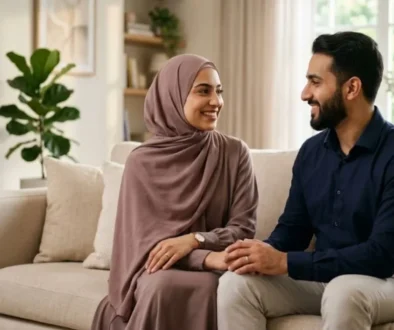
Improve Communication With Your Husband
Marriage is a beautiful journey of companionship, mercy, and growth, as Allah describes in the Quran: “And among His signs is that He created for you mates from among yourselves, that you may dwell in tranquility with them, and He has put love and mercy between your hearts” (Surah Ar-Rum 30:21). For many Muslim wives, one common challenge is feeling heard and understood by their husbands. Improving communication isn’t about changing your spouse overnight but about building habits rooted in Islamic values like patience, kindness, and respect.
At platforms like Errange Marriage, we support Muslims worldwide in finding compatible spouses through respectful, halal processes. Strong communication skills make these unions thrive long after the Nikkah. This guide offers practical, faith-centered advice to help you foster better dialogue in your marriage.
Why Communication Matters in Islamic Marriage
In Islam, marriage is a partnership based on mutual rights and responsibilities. The Prophet Muhammad (peace be upon him) was the best example of gentle and attentive communication with his wives. He listened to them, consulted them, and spoke with kindness even in disagreement.

Common Barriers to Communication in Muslim Marriages
Many couples face similar hurdles, regardless of culture or location:
- Busy schedules and distractions: Work, children, and daily responsibilities leave little time for meaningful talk.
- Unspoken expectations: Assuming your husband knows what you need without expressing it clearly.
- Emotional reactions: Responding with anger or silence instead of calm dialogue.
- Cultural influences: Some backgrounds discourage wives from voicing concerns openly.
- Lack of active listening: Hearing words but not truly understanding the feelings behind them.
Recognizing these barriers is the first step toward overcoming them with compassion and Islamic guidance.
Islamic Principles for Better Spousal Communication
Islam provides timeless guidance for harmonious relationships:
- Speak with kindness and gentleness: The Quran instructs, “Speak to people kindly” (Surah Al-Baqarah 2:83). Avoid harsh words, sarcasm, or raised voices, even when frustrated.
- Practice patience (Sabr): Give your husband space when needed and choose the right time to discuss sensitive topics.
- Honesty with adab (etiquette): Be truthful but express concerns in a way that preserves dignity.
- Remember mutual rights: Husbands have a duty to listen and care for their wives’ emotional well-being, just as wives support their husbands.
- Seek Allah’s help: Make dua together and turn to prayer for guidance during difficult conversations.
The Prophet (peace be upon him) would smile, use endearing names, and give full attention to his wives, showing that small acts build big connections.
Practical Ways to Improve Communication and Be Heard
Here are actionable steps you can start today:
- Choose the right moment: Avoid bringing up important topics when he is tired, stressed, or distracted. A calm evening after Isha prayer often works well.
- Use “I” statements: Instead of “You never listen,” say, “I feel unheard when we talk about this, and I value your opinion.”
- Practice active listening: When he speaks, put away your phone, maintain eye contact, and reflect back what you heard: “It sounds like you’re feeling overwhelmed at work.”
- Show appreciation: Regularly express gratitude for his efforts. Positive reinforcement encourages openness.
- Non-verbal cues: A warm smile, gentle touch (in private), or a kind note can convey love and openness.
- Start conversations with a positive note or shared memory.
- Keep discussions focused on one issue at a time.
- Avoid bringing up past mistakes during new arguments.
- Pray together or read a short Islamic reminder before tough talks.
- End discussions on a hopeful note, even if you haven’t fully resolved the issue.
A Step-by-Step Guide to Better Listening from Your Husband
- Prepare yourself internally: Make intention for the sake of Allah to improve your marriage. Control your emotions and seek calmness through dhikr or prayer.
- Set the scene: Suggest a quiet time, perhaps over tea or a short walk. Say something like, “I’d love to talk about something important when you have a moment.”
- Express clearly and respectfully: Share your feelings and needs without blame. Be specific but concise.
- Listen to his response: Give him time to speak without interrupting. Try to understand his perspective, even if you disagree.
- Find common ground: Look for solutions that benefit both of you, remembering you are a team.
- Follow up with kindness: Thank him for listening and show affection. Small positive actions reinforce good habits.
- Reflect and adjust: After the conversation, evaluate what worked and what didn’t. Be patient—change takes time.
Consistency in these steps, combined with dua, can gradually help your husband feel safe to open up and truly listen.
Strengthening Your Marriage Through Shared Values
Beyond daily talk, build deeper connection by:
- Reading Islamic books on marriage together.
- Attending online or local workshops on family life.
- Making time for quality moments without screens.
- Supporting each other’s spiritual growth, such as praying Tahajjud or giving charity jointly.
These shared experiences create trust, making communication flow more naturally.
How Errange Marriage Supports Healthy Foundations
Whether you are already married or seeking a spouse, starting on a strong Islamic foundation matters. Errange Marriage is a Muslim Nikkah platform designed for respectful connections worldwide. It emphasizes safety, compatibility, and halal processes that prioritize character and faith.
If you’re single and looking for marriage, explore our Home page to learn more or check Pricing Packages for options that suit your needs. Many couples have found success—read inspiring Success Stories from Muslims who built beautiful marriages through thoughtful beginnings.
For personalized guidance or questions, feel free to Contact us. Download our app for convenient access on the go.
Step-by-Step: Getting to Know Someone for Marriage in a Halal Way
For those in the search phase, here is a practical, Islamically grounded process:
- Make sincere dua: Ask Allah to guide you to a righteous spouse and to protect your heart.
- Involve family or a trusted wali (guardian): Discuss your intentions openly. A wali provides protection and wisdom.
- Use respectful platforms: Connect through trusted Muslim marriage sites like Errange Marriage, where profiles focus on faith, values, and compatibility rather than casual interaction.
- Initial contact with boundaries: Communication should be purposeful, supervised when possible, and limited to marriage-related topics. Avoid private, lengthy chats that could lead to fitnah.
- Meet in chaperoned settings: Arrange meetings with family members present to observe character, manners, and compatibility. Ask important questions about faith practices, goals, and expectations.
- Involve community if needed: Consult knowledgeable elders or imams for advice.
- Pray Istikhara: Before making a final decision, perform the Istikhara prayer for divine guidance.
- Proceed to Nikkah with clarity: Once both parties agree, move forward with the blessed contract of marriage.
This approach minimizes heartbreak and aligns with Islamic teachings of modesty and purpose.
Final Thoughts: Building a Lasting Bond
Improving communication with your husband is an ongoing act of worship and love. Be patient with yourself and him—true change comes through small, consistent efforts and reliance on Allah. Focus on mercy, forgiveness, and gratitude, and you will likely see your marriage flourish.
May Allah bless your union with tranquility, love, and understanding. Ameen.
If this article resonated with you, share it with fellow Muslim sisters. For more resources on marriage and family life, visit Errange Marriage and explore our blog or Success Stories.