Tunisia Wedding Culture: Balancing Beautiful Traditions with Halal Marriage
When we look at North Africa, Tunisia stands out as a country with a rich history, a deeply rooted identity, and a beautiful fusion of Mediterranean and Islamic heritage.
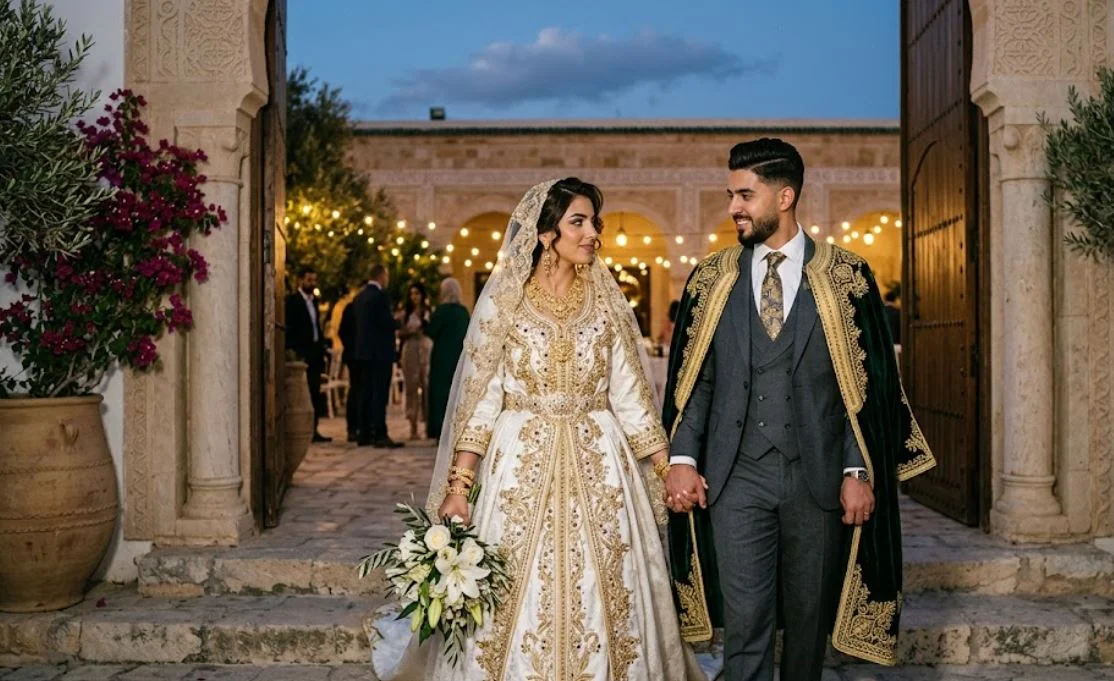
Among its most vibrant cultural aspects is the traditional Tunisian wedding, a celebration known for its length, music, and deep family involvement.
For practicing Muslims looking to connect with potential spouses from this region, understanding the cultural landscape of Tunisia and how it aligns with Islamic principles is essential.
Many young single Muslims today wonder how to approach finding a partner from North Africa while maintaining a halal relationship.
Let’s explore the traditions that make up Tunisian wedding culture, what it means to build a genuine Islamic marriage, and how modern tools can assist in your Muslim spouse search.
The Pre-Wedding Ceremonies
The journey begins well before the main wedding night. The festivities are broken down into distinct ceremonial days, each carrying deep symbolic meaning for the couple and their communities:
-
The Saboun Day: This is dedicated to preparing the bride’s new home, where family members gather to organize her trousseau, linens, and household items.
-
The Henna Night: A beautifully spiritual and joyous evening where the bride’s hands and feet are adorned with intricate henna patterns, symbolizing joy and blessings.
-
The Outia: A special pre-wedding party specifically for the bride, where she wears stunning traditional Tunisian dresses, often heavily embroidered with silver, gold, and beads.
The Legal and Islamic Contract
The core of the union is the signing of the marriage contract, known as the Katb el-Ktab. This is the official Nikah ceremony, where the bride and groom offer their mutual consent in front of witnesses, cementing their relationship under Islamic law and Tunisian civil code.
Navigating Online Muslim Matchmaking Safely
Can looking for a spouse online actually be halal? The short answer is yes—but it entirely depends on how the platform is structured and how you choose to use it.
Choosing the Right Platform
Traditional matrimonial sites often fell short by either being too rigid or too casual, mimicking standard secular dating apps.
Fortunately, dedicated spaces now exist to bridge this gap. Modern options like a specialized Muslim marriage app provide features designed around Islamic ethics.
How Technology Empowers Halal Relationships
A high-quality platform helps Muslim singles connect globally while maintaining privacy.
Look for services that offer ID verification, profile photo privacy options, and mechanisms that allow you to include a chaperone or guardian in your chat threads.
By utilizing these features, the online space shifts from a casual chatroom into a dignified, secure virtual marketplace for serious marriage intentions.
Connecting Safely via Errange Marriage
For those searching for a dedicated space to find a life partner without compromising their religious values, Errange Marriage offers a balanced solution.
As a intentional halal matchmaking platform, Errange Marriage focuses on connecting marriage-minded individuals worldwide, including those interested in North African and Tunisian cultural backgrounds.
The platform provides an alternative to fast-paced dating apps by encouraging deep compatibility questions, verified profiles, and family-friendly interaction models.
Whether you are starting out or looking for tailored assistance, you can view the Pricing Packages to find a plan that suits your journey, or read through verified Success Stories of couples who found their Nikah partners using these exact principles.
Finding Love in North Africa: Understanding the Legal and Cultural Realities
When navigating the process of meeting someone from Tunisia, it is helpful to look at how local laws and everyday customs shape relationships.
The Legal Framework of Marriage in Tunisia
Tunisia holds a unique legal position in the Arab world regarding family law. The Tunisian Code of Personal Status, enacted in 1956, outlawed polygamy and established civil procedures for marriage and divorce.
For anyone entering a marriage here, it means the union must be legally registered with the state alongside the religious elements.
The Modern Social Shift
Like many places in the world, the younger generation of tunisia women and men balance a modern lifestyle with their core Islamic values.
While Western-style media introduces casual dating concepts, the majority of families still deeply value conservative customs when it comes to long-term commitments.
This creates an interesting dynamic for practicing Muslim singles worldwide who are looking for serious, marriage-minded partners in North Africa.
The Islamic Perspective: Is Casual Dating Allowed?
With the rise of modern apps and social media, the term “dating” has become common. However, it is vital to separate Western definitions of casual dating from Islamically acceptable pre-marriage communication.
Clear Boundaries in Islam
Islam is a religion that protects the honor, emotional well-being, and spiritual purity of individuals. Because of this, casual boyfriend-girlfriend relationships are not permitted.
The Prophet Muhammad (peace be upon him) provided clear guidance regarding how men and women who are not married should interact:
“A man is not alone with a woman but the third of them is Ash-Shaitan (the devil).” (Sahih Al-Bukhari)
To keep relationships safe and blessed, Islam outlines specific boundaries before the Nikah:
-
No physical intimacy or physical contact of any kind.
-
No Khalwah (private seclusion where no one else can see or access the conversation).
-
No secret relationships hidden from family members or guardians.
Intentional Communication vs. Casual Flirting
This does not mean that potential partners cannot speak to each other. Islam allows respectful, intentional communication for the purpose of marriage.
The primary difference lies in the intent and the structure. Casual dating is often open-ended, focused on entertainment, and hidden.
Halal matchmaking is structured, purpose-driven, and open to family involvement from the early stages.
Frequently Asked Questions
Summary of the Islamic View on Pre-Marital Choice
Ultimately, Islam views marriage as a sacred covenant (Mithaqan Ghaliza). The process of finding a husband or wife should reflect that sanctity.
While culture gives us beautiful traditions—like the vibrant celebrations found in Tunisia—our religious guidelines keep our actions grounded.
Respectful communication with a clear view toward marriage is fully acceptable, provided it remains free from isolation, physical intimacy, and deception.
By keeping families involved and utilizing platforms built for safety, you protect your heart, your honor, and your spiritual standing.
If you have questions about how to get started or need assistance with your profile setup, feel free to visit the Contact Page to reach out to our support team.