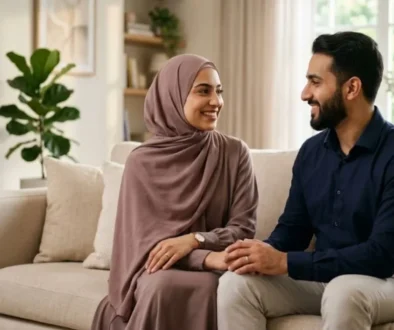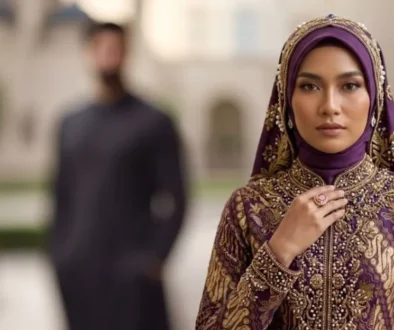
Indonesian Women for Marriage: A Halal Matchmaking Guide
If you’ve searched for Indonesian women with marriage in mind, you’ve probably noticed how scattered the information really is, some sites treat it like a shopping catalog, others barely mention the religious side at all. That gap is exactly why this guide exists.
Indonesia is home to the largest Muslim population in the world, and a growing number of Indonesian Muslim women are open to marrying outside their home country, provided the process respects their faith, their family, and their pace.
This article walks through how halal matchmaking actually works, what role a wali plays, which red flags to watch for, and how platforms like errangemarriage try to make the process safer and more transparent than a random dating app ever could.

Who Are Indonesian Women? Understanding Cultural and Religious Backgrounds
Indonesia is home to the world’s largest Muslim population. Islamic values are deeply woven into the daily lives of most Indonesian women, influencing everything from family dynamics to personal ambitions. However, the country is also incredibly diverse, with hundreds of distinct ethnic groups like the Javanese, Sundanese, and Minangkabau.
When looking for a partner from Indonesia, it is essential to realize that they often blend strong Islamic devotion with rich local traditions. Faith is frequently the central pillar of their lives, guiding their modest conduct, daily prayers, and approach to family responsibility.
What Makes Indonesian Women Popular Choices on Muslim Matrimonial Platforms
A few recurring themes come up when this topic is discussed in Muslim matchmaking circles, though it’s worth being honest: these are generalizations, not guarantees about any individual.
- Religious grounding — Indonesia’s Islamic education system (pesantren, madrasah networks) means many women have had structured religious upbringing, though practice levels vary widely person to person, exactly as they do anywhere else.
- Family-oriented culture — Indonesian family structures often involve extended relatives in major life decisions, which tends to align naturally with wali-involved matchmaking rather than working against it.
- Bilingual/multilingual comfort — Many younger Indonesian women speak conversational English in addition to Bahasa Indonesia, which helps early-stage communication before a translator or family member gets involved.
None of this means every Indonesian woman on a matrimonial site fits a mold. Treating a nationality as a checklist of traits is one of the more common mistakes newer users make, and it tends to backfire — profiles that read as genuine and specific get far more serious responses than ones built around assumptions.
The Real Challenge Muslim Singles Face Online
Most mainstream dating apps weren’t built with Islamic marriage principles in mind. Swipe culture assumes casual dating, unsupervised meetups, and an open-ended timeline — none of which sit comfortably with someone who wants a Nikah, not a situationship.
For Muslim men interested in getting to know Indonesian women, and for the women themselves, the real problem isn’t a lack of options. It’s finding a space where marriage intent is assumed from the start, where family involvement isn’t treated as a red flag, and where communication stays within halal boundaries. That’s the gap purpose-built Muslim matrimonial platforms try to close.
How Halal Matchmaking Actually Works Step by Step
- Profile creation with intent stated upfront — unlike casual apps, marriage intent is usually a required field, not an afterthought.
- Filtered browsing — based on sect, practice level, location, education, and marriage timeline preferences.
- Initial contact through the platform — not personal numbers, at least not yet.
- Wali or guardian introduction — many women (and plenty of platforms) require or strongly encourage this before conversations go further.
- Supervised or chaperoned communication — video calls with a family member present, or text exchanges that a guardian can review, are common.
- Family-to-family discussion — this is where compatibility on practical matters (location, finances, living arrangements) gets worked out.
- Nikah planning — once both families are aligned, the actual marriage process begins.
Skipping steps 4 through 6 is where a lot of online matches quietly fall apart later — not because the couple wasn’t compatible, but because neither family had a real chance to weigh in before expectations were already set.
Understanding the Role of a Wali in Online Matchmaking
The wali (guardian, typically the father or another male relative) isn’t a formality tacked onto Islamic marriage — it’s a structural safeguard. In a Nikah, the wali’s consent is part of what makes the marriage contract valid according to most schools of Islamic jurisprudence, though the specific requirements do vary by madhhab.
Online, this plays out practically: a serious platform will either ask for wali contact details early, or at minimum flag profiles where guardian involvement is confirmed. If a match is reluctant to ever involve a wali, or actively discourages it, that’s worth pausing on — not necessarily a dealbreaker, but a conversation that needs to happen before things go further.
How Does the Nikah Process Work in Indonesia?
If you are looking to marry someone from Indonesia, understanding the legal and religious framework of an Indonesian Nikah is critical. Islamic marriages must comply with both Sharia principles and the country’s state laws managed by the Kantor Urusan Agama (KUA), or Office of Religious Affairs.
The process involves formal documentation, including certificates of single status, parental consent, and background checks. A traditional Indonesian wedding often features a beautiful blend of Islamic rites—such as the formal ijab qabul (offer and acceptance)—alongside vibrant local customs, clothing, and feasts that welcome the entire community.
Is Wali Involvement Mandatory for Indonesian Women Online?
Yes, in accordance with the Shafi’i school of jurisprudence dominant in Indonesia, the presence and consent of a wali (Islamic guardian, typically the father) is a fundamental requirement for a valid Nikah. Even in digital spaces, respectful boundaries must be maintained.
Serious matrimonial platforms encourage early involvement of the family. When communicating with marriage-minded Indonesian women online, expecting to involve her father or brother early in the process is a sign of respect and serious intent. It protects the honor of the sister and ensures the interaction remains entirely within halal boundaries.
Why Do Many Indonesian Women Look for Global Muslim Matches?
With the rise of international Muslim matchmaking platforms, an increasing number of Indonesian women are open to marrying partners from other countries.
- Shared Spiritual Alignment: For many, finding a practicing Muslim husband who values Islamic principles over cultural specificities is the highest priority.
- Educational and Career Opportunities: Living abroad or marrying an international professional aligns with their personal development goals.
- Broadening Horizons: Modern technology has made the global Muslim Ummah feel much closer, allowing singles to seek compatibility beyond geographic limits.
Is It Halal to Look for a Wife Online?
Yes, looking for a wife online is halal in Islam, provided the process follows Islamic guidelines. The internet is simply a tool, much like asking a family member, friend, or trusted community member to introduce you to a potential spouse. While the method has changed, the Islamic principles for finding a marriage partner remain the same.
The key factor is how you use online platforms. Your intention should be sincere and focused on marriage—not casual dating or entertainment. Conversations should remain respectful, purposeful, and limited to getting to know each other for marriage. Unnecessary private chatting, flirting, or interactions that could lead to temptation should be avoided.
It is also important to maintain Islamic standards of modesty. Avoid exchanging inappropriate photos, videos, or messages that go beyond what is necessary for the marriage process. When the relationship becomes serious, the woman’s wali (guardian) should be involved at an appropriate stage instead of being intentionally excluded or delayed without a valid reason.
Choosing the right platform is equally important. Marriage-focused websites and apps that encourage serious intentions, family involvement, and respectful communication are generally better suited for Muslims than platforms designed primarily for casual dating. A halal environment makes it easier to stay within Islamic boundaries while searching for a compatible spouse.
Ultimately, looking for a wife online is permissible as long as the search is conducted with sincerity, modesty, honesty, and the genuine intention of building a marriage that pleases Allah.
Types of Muslim Matchmaking Platforms Worth Knowing About
Not every platform serving this space works the same way, and it helps to know the categories before picking one.
- Dedicated Muslim matrimonial sites — built around marriage intent, wali fields, and sect-based filtering (this is where errangemarriage sits).
- General dating apps with a “religion” filter — technically searchable, but not designed around Islamic guidelines and often mixing casual and marriage-minded users together.
- Community and mosque-based introductions — still common, especially in diaspora communities, though reach is limited to local networks.
- Family/relative-arranged introductions — the traditional route, still very much alive, sometimes now supplemented by matrimonial site profiles as a starting point rather than a replacement.
Each has trade-offs. A dedicated matrimonial platform gives you scale and structure but requires more due diligence on verification. Community introductions come with built-in trust but a much smaller pool.
How to Verify Profiles and Avoid Scams on Matrimonial Platforms
- Verification process — ID checks, photo verification, or manual profile review before a profile goes live.
- Wali/guardian fields — built into the profile structure, not an optional afterthought.
- Clear reporting tools — for fake profiles, scam attempts, or inappropriate messages.
- Privacy controls — the ability to hide your profile from certain regions, or restrict photo visibility to matches only.
- Transparent pricing — no hidden charges to simply message a match you’ve already connected with.
If a site can’t clearly explain how it verifies users or handles a reported scam profile, that’s a legitimate reason to be cautious, regardless of how polished the interface looks.
Cultural Compatibility: What to Discuss Before Getting Serious
Religious alignment is the foundation, but cultural fit still needs its own conversation. Topics worth raising early rather than after a wedding date is set:
- Expectations around living location — will one partner relocate, and what does that mean for family proximity?
- Language — will daily life be in Bahasa Indonesia, English, or a mix, and is either partner willing to learn?
- Financial expectations, including mahr discussions, which should happen directly and without discomfort.
- Views on extended family involvement in day-to-day life, which can differ significantly between cultures even when religious practice is aligned.
Skipping these conversations because “the religious basics matched” is a common and avoidable mistake.
How to Start Respectfully as a Prospective Match
- Lead with a complete, honest profile — vague profiles get skipped, and inconsistent ones get flagged as suspicious.
- State your marriage timeline honestly; mismatched expectations here cause more early frustration than almost anything else.
- Bring up wali involvement yourself, early, rather than waiting for it to become an issue.
- Keep initial conversations platform-based until trust and family involvement are established.
- Be patient with translation or communication gaps — assuming disinterest because a reply took a day is a frequent, avoidable misread.
Tips for Respectful and Halal Communication Online
When communicating with an Indonesian woman online, your tone should always reflect Islamic manners (Adab).
- Be Direct and Clear: State your marriage intentions early. Avoid casual or overly familiar “dating” language.
- Respect Her Boundaries: Do not pressure her for private photos or late-night chats that compromise Islamic etiquette.
- Ask Meaningful Questions: Focus on core compatibility factors like religious practices, future living locations, family expectations, and career goals.
Alternatives to Online Matchmaking Platforms
Online matrimonial sites aren’t the only route, and they work best as one option among several rather than the only one:
- Family and community networks — still the most trusted introduction method in many Muslim communities.
- Local mosque marriage committees — some mosques run informal or semi-formal introduction services.
- Muslim marriage events and conferences — in-person, sect- or community-specific gatherings designed around marriage intent.
- Referrals through trusted friends already married — informal but often highly effective.
A platform like errangemarriage works well alongside these, not necessarily instead of them — many users run both tracks at once.
Tips for Building a Profile That Attracts Serious Matches
- Use a clear, appropriate photo — profiles with no photo or an obviously outdated one get far less genuine engagement.
- Be specific about practice level (prayer, hijab, sect) instead of vague terms like “moderate,” which mean different things to different people.
- Mention your timeline honestly — “actively looking” versus “exploring” changes who reaches out.
- Avoid listing only surface preferences (height, appearance); mention what actually matters for daily married life.
How to Discuss Future Living Arrangements and Expectations Honestly
One of the most critical conversations you will have involves relocation. If you intend for your future wife to move to your home country, you must discuss the legal, financial, and emotional realities of immigration openly.
Leaving family behind to move across the world is a massive emotional sacrifice. Discuss housing, whether she wishes to work or study, how often she can visit her family in Indonesia, and how you will support her transition into a new culture. Clear agreements on these matters prevent resentment later.
What Are the Red Flags to Watch for in International Matchmaking?
While keeping an open mind, stay alert to specific behaviors that indicate a match might not be suitable:
- Reluctance to involve family: If she continuously makes excuses to keep her family or wali unaware of your conversations.
- Inconsistent stories: Discrepancies regarding her education, employment, or marital history.
- Pressure to bypass legal steps: Insisting on a quick religious marriage without proper legal registration or paperwork, which leaves both parties unprotected.
Frequently Asked Questions
Conclusion
Finding a spouse across borders isn’t inherently risky or inherently easy — it’s a process that rewards patience, honesty, and following the structure Islamic guidelines already provide. Wali involvement, halal communication boundaries, and honest profiles do more to protect both sides than any app feature can.
If you’re exploring this path, platforms built specifically around Muslim marriage — like errangemarriage — tend to make the structural parts (verification, guardian fields, sect-based filtering) easier to manage than piecing it together yourself across mismatched tools. Take the time to do it properly; a rushed match rarely turns into a strong marriage.