
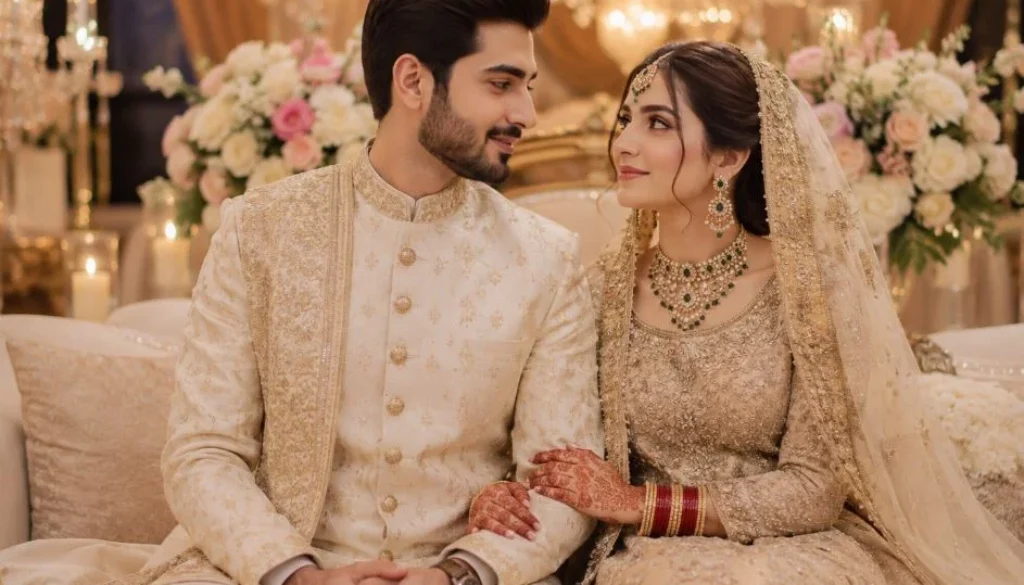
Second Marriage Rishta in Pakistan: How to Find a Serious and Compatible Match
Second marriage rishta in Pakistan searches are becoming more common among divorced, widowed, and mature Muslims who want to approach remarriage with seriousness, privacy, and clear expectations. A second marriage is not simply about finding another biodata. It requires honest disclosure, compatibility, family understanding, and a practical plan for the future.
For many families, the challenge is finding a suitable person without exposing private details to too many people. A structured Muslim matrimonial platform can make the process more focused by helping people search according to age, location, marital status, education, profession, values, and family expectations.
Why Second Marriage Requires a Different Rishta Approach
A first marriage search often starts with basic preferences such as age, education, family background, and location. In a second marriage, additional questions may matter. A person may have children, ongoing responsibilities, financial commitments, or a previous marriage that needs to be discussed respectfully.
That does not make a second-marriage candidate less worthy of marriage. It simply means that the introduction should be more transparent. Both families need enough information to understand the practical situation before emotional expectations become too strong.
What to Look for in a Second Marriage Rishta in Pakistan
The most useful approach is to separate essential requirements from preferences. Essential requirements may include religious compatibility, character, marital status, willingness to accept children where applicable, and agreement about where the couple will live. Preferences can include profession, city, age range, education, or lifestyle.
- Clear marital status: The profile should accurately state whether the person is single, divorced, or widowed.
- Family expectations: Discuss the role of parents, living arrangements, and family involvement early.
- Children: If either person has children, discuss their needs, responsibilities, custody arrangements, and future household expectations.
- Financial responsibilities: Existing obligations should not be hidden until after engagement.
- Religious values: Discuss prayer, modesty, family boundaries, and expectations around Islamic practice.
- Location and relocation: If the match involves different cities or countries, agree on realistic plans before proceeding.
How to Build a Serious Rishta Profile
A good matrimonial profile should be informative without revealing unnecessary private information. Start with accurate age, city, education, profession, marital status, and family details. If you are divorced or widowed, state the status honestly rather than trying to make the profile appear like a first-marriage profile.
The same principle applies to children. A parent should clearly mention that children are part of their life and describe the kind of family environment they hope to create. The purpose is not to persuade everyone to accept the profile. It is to help the right people recognise genuine compatibility.
Privacy Matters When Searching Online
Online matchmaking can increase reach, but privacy should remain a priority. Avoid publishing phone numbers, home addresses, identity documents, workplace details, or children’s personal information in a public profile.
Before sharing photographs or documents, understand who can see them and why they are required. Serious matchmaking should move gradually from a profile to a supervised or family-aware introduction, then to appropriate conversations and verification.
Questions to Ask Before Moving Forward
A second marriage can involve practical issues that are easy to overlook during an initial conversation. Ask direct but respectful questions before the families become deeply committed to the proposal.
- What are your expectations from marriage this time?
- Where would the couple live after nikah?
- How will children from a previous marriage be supported?
- What level of involvement will parents and relatives have?
- What are the expectations around employment and household responsibilities?
- Are there existing financial or legal responsibilities that should be understood?
- What are your expectations about future children?
- How do you prefer disagreements to be handled?
- What Islamic values are important to you in everyday family life?
Why Verification Should Come Before Commitment
Trust is important, but verification protects everyone involved. Families should confirm important information through appropriate and lawful means before a formal commitment. Marital status, identity, employment or education claims, and major family circumstances should not be accepted blindly.
Verification should also be respectful. The goal is not to investigate someone as though they are guilty of wrongdoing. The goal is to make sure that both sides are entering the proposal with the same understanding of the facts.
Second Marriage, Divorce, and Children
One of the most important parts of a second-marriage search is the conversation about children. If a divorced or widowed parent has children, the prospective spouse should understand that those children remain an important part of the family structure.
Questions about living arrangements, education, financial responsibility, discipline, contact with the other biological parent where relevant, and boundaries with extended family should be discussed before nikah. Clear expectations can prevent serious misunderstandings later.
For more guidance on this topic, families can also read our guide to choosing a Muslim marriage app for single mothers and our guide to finding a divorced Pakistani rishta in London.
How Errange Marriage Can Fit Into the Search
Errange Marriage is positioned around Muslim matrimonial searches where seriousness, compatibility, and respectful introductions matter. Instead of treating every rishta as a casual conversation, the search can be approached as a process: define what matters, create an honest profile, identify suitable prospects, involve family when appropriate, verify important information, and then move toward a nikah decision with clarity.
This approach is especially useful for people whose circumstances do not fit a simple first-marriage template. Divorced Muslims, widows, single parents, and mature professionals can have very different requirements from younger first-time applicants. The more clearly those requirements are communicated, the easier it becomes to filter unsuitable proposals.
A Practical Second Marriage Rishta Checklist
- Write down your non-negotiable requirements.
- Separate essential qualities from personal preferences.
- Prepare an accurate and respectful matrimonial profile.
- Be transparent about marital status and children.
- Protect private photographs and documents.
- Discuss location, finances, family roles, and children early.
- Verify important claims before engagement.
- Involve trusted family members or guardians where appropriate.
- Take sufficient time before making a final decision.
Final Thoughts
Finding a second marriage rishta in Pakistan does not need to be approached with embarrassment or unnecessary pressure. The practical realities of remarriage deserve honest discussion, while the dignity of every adult seeking a spouse should be respected.
The strongest foundation is clarity. Know what you need, communicate honestly, protect personal information, ask difficult questions early, and verify important details before making commitments. With a structured and respectful approach to Muslim matchmaking, a second marriage search can focus less on social assumptions and more on character, compatibility, responsibility, and shared expectations.