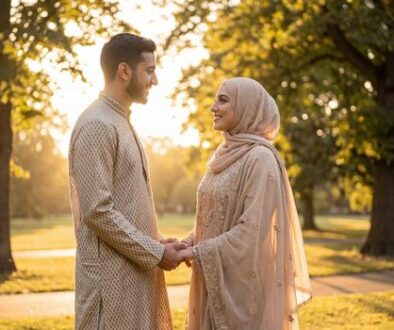
Nikah Halala: Meaning, Islamic Rulings, and Myths
Nikah halala is a concept often misunderstood in modern times, yet it is addressed with precise wisdom in the Quran, which states in Surah Al-Baqarah (2:230): “And if he has divorced her [for the third time], she is not lawful to him afterward until (after) she marries a husband other than him”. This Quranic injunction outlines the absolute finality of a third divorce, laying down boundaries to protect the gravity of the matrimonial bond.
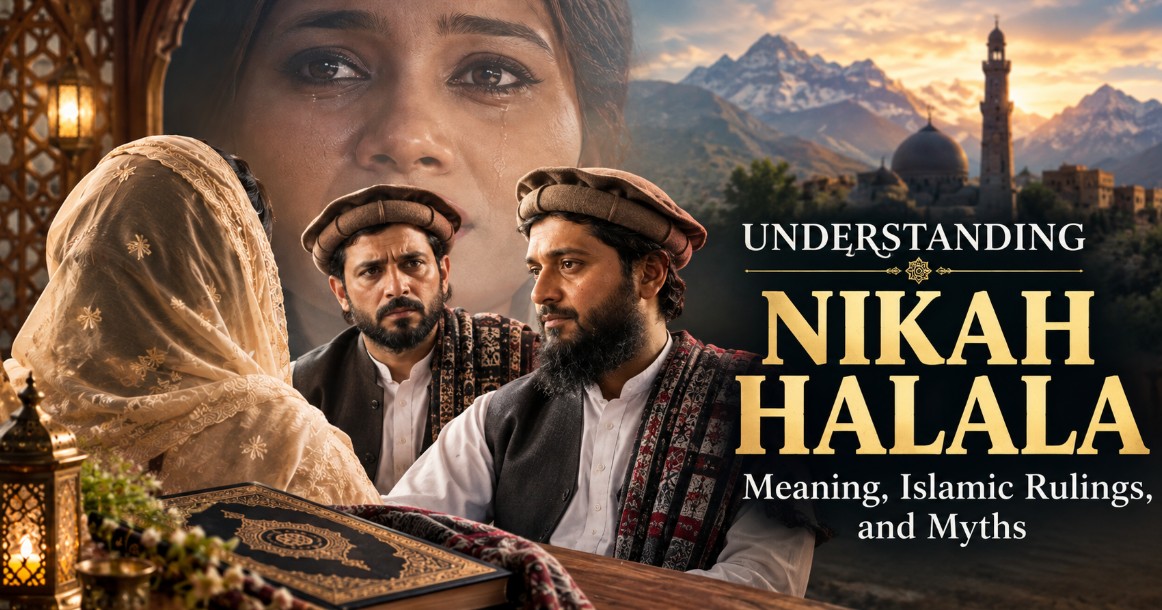
What is Nikah Halala in Islam?
Nikah Halala is often misunderstood today. Simply put, Nikah means marriage, and Halal means allowed. In Islamic law, if a husband divorces his wife three separate times, he cannot marry her again right away. To ever be together again lawfully, the woman must move on, marry another man naturally, live a normal married life, and that marriage must end on its own through natural causes or an unexpected divorce.
Going through a divorce is very painful, and making quick decisions when upset can lead to lifelong regret. Islam encourages patience and emotional control. The rules of divorce have built-in waiting periods—called Iddah—to stop couples from separating too quickly. When people rush into permanent choices without thinking about the emotional pain, they sometimes try to find shortcuts. However, trying to trick or plan around these rules completely ruins the true purpose and safety nets that Islamic family law provides.
The Severe Prohibition of Pre-Planned Halala
“Allah has cursed the muhallil (the one who marries a woman to make her lawful for her first husband) and the muhallal lahu (the first husband).” — Sunan an-Nasa’i
This profound prophetic warning establishes that any pre-planned, contractual, or temporary marriage arranged solely to bypass the rules of triple divorce is strictly forbidden (Haram). Islam views marriage as a solemn covenant (Mithaq Ghalith), built on love, tranquility, and genuine commitment. Turning a sacred lifelong bond into a transactional arrangement violates ethical boundaries and carries severe spiritual consequences. Authentic Islamic scholarship across all major schools of thought agrees that a marriage contracted with the hidden or spoken intention of a temporary fix is invalid. You can explore a comprehensive breakdown of these rulings over at IslamQA’s Detailed Ruling on Tahleel Marriage. Platforms centered around safe, intentional matchmaking, such as Errange Marriage, emphasize that marriage must always begin with pure intentions, transparency, and a commitment to long-term harmony rather than desperate shortcuts.
Step-by-Step Guide: How Muslims Can Find a Compatible Spouse Halal-ly
Navigating the journey toward matrimony requires patience, emotional intelligence, and adherence to Islamic guidelines. Here is a practical, step-by-step approach to getting to know someone respectfully:
-
Self-Reflection and Intention: Clarify your personal values, emotional readiness, and what you truly look for in a partner for the sake of Allah.
-
Seek Respectful Avenues: Utilize trusted family networks or reputable, values-driven platforms like Errange Marriage to discover compatible profiles safely.
-
Involve Family or Guardians: Keep communication transparent by involving family members or trusted mentors early in the process to maintain accountability and honor.
-
Conduct Halal Conversations: Meet in comfortable, public settings or structured digital environments to discuss core life goals, financial views, and religious values.
-
Perform Istikhara: Seek divine guidance through Prayer (Istikhara) to gain peace of heart before finalizing your decision.
What is halala in Islam and in which country it is followed?
Halala is Prohibited (Haram) in Islam & not only that it’s Cursed by the Prophet Muhammad (pbuh) :
1. The Prophet (ﷺ) said: Curse be upon the one who marries a divorced woman with the intention of making her lawful for her former husband and upon the one for whom she is made lawful.
- Sahih (Al-Albani)
Sunan Abi Dawud, 2076
2. Uqbah bin ‘Amir narrated that the Messenger of said: ‘Shall I not tell you of a borrowed billy goat.” They said: “Yes, O Messenger of Allah!” He said: “He is Muhallil. May Allah curse the Muhallil and the Muhallal lahu.”
Conclusion
Understanding the true boundaries of Nikah Halala reminds us that marriage in Islam is a sacred, lifelong covenant built on sincere intention and mutual respect rather than legal loopholes. Navigating the path to matrimony requires patience, emotional mindfulness, and complete trust in Allah’s wisdom. Whether you are beginning your search or seeking guidance, approaching marriage with transparency ensures a blessed and lasting union. To read inspiring accounts of couples who found their matches through faith-based platforms, browse our Success Stories for motivation. Should you need any assistance along your journey, feel free to reach out via our Contact page.