7 Keys to Matchmaking for Widowed Muslims: A Dignified Path to Remarriage
Loss brings deep grief, but Islam teaches that life carries onward with hope, mercy, and companionship. For those seeking matchmaking for widowed Muslims, finding a partner who respects your history, honors your emotional journey, and shares your Islamic values is essential.
Remarriage after the loss of a spouse is a noble Sunnah, providing emotional comfort, spiritual stability, and a supportive family life.
Whether you are seeking a life partner for yourself or exploring options for widowed Muslim British women for marriage, the modern matrimonial landscape offers dignified pathways tailored to your needs. You can explore our dedicated platform by visiting eArrange Marriage to start your journey with privacy and respect.
1. Understanding Matchmaking for Widowed Muslims
The Islamic Perspective on Remarriage
In Islamic tradition, remarriage after widowhood carries immense honor and blessings. The Prophet Muhammad (peace be upon him) married several widowed women, establishing a clear Sunnah of support, companionship, and community care.
Modern matchmaking for widowed Muslims focuses on upholding these sacred values. It provides a safe space where individuals can seek companionship without judgment or cultural stigma.
Overcoming Cultural Stigma with Halal Matchmaking
While Islam encourages remarriage, cultural misconceptions sometimes create unnecessary hesitation. Specialized matrimonial services help bridge this gap by focusing on:
- Privacy and Modesty: Respecting personal boundaries and family dynamics.
- Wali and Family Involvement: Ensuring guardians or family members can participate seamlessly.
- Intentional Profiles: Connecting singles who genuinely value mature, faith-centered marriages.
2. Key Challenges Faced by Widowed Muslim Singles
Re-entering the matrimonial world after losing a spouse requires sensitivity. Recognizing these unique emotional and practical factors ensures a smoother search.
| Challenge | Islamic & Practical Solution |
| Emotional Readiness & Grief | Seek healing first; engage in matchmaking only when emotionally prepared. |
| Parenting & Child Integration | Prioritize suitors who demonstrate love and responsibility toward stepchildren. |
| Cultural Misconceptions | Lean on Sunnah-aligned platforms that reject un-Islamic cultural stigmas. |
| Family & In-Law Dynamics | Set clear boundaries and communicate openly from the first meeting. |
3. Dedicated Matchmaking Services for Widowed Muslims
To find compatibility, widowed singles benefit from platforms tailored specifically to their life stage. Standard matrimonial sites often focus primarily on young, never-married individuals, which can make widowed Muslims feel overlooked.
Why Tailored Platforms Work
A specialized approach to matchmaking for widowed Muslims ensures that every member on the platform understands the nuances of second marriages, blended families, and shared life experiences.
- Filtered Search Criteria: Search specifically for candidates open to second marriages or blended families.
- Verified Profiles: High security measures to safeguard women and men from fake profiles.
- Halal Communication Options: Built-in chaperoned options for safe, respectful conversations.
Ready to find a compatible partner who understands your journey? You can register on eArrange Marriage today to create a secure, confidential profile.
4. Focus on UK & Global Muslim Communities
Matchmaking for Widowed Muslim British Women for Marriage
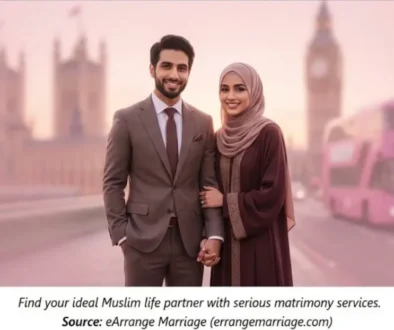
In Western countries like the UK, finding an ideal match within local communities requires intentional effort. Widowed Muslim British women for marriage often seek partners who share both their Islamic heritage and their cultural experience as British Muslims.
Key considerations for UK-based matchmaking include:
- Shared Cultural Context: Balancing traditional Islamic values with modern life in the UK.
- Geographic Proximity: Finding matches across London, Birmingham, Manchester, and other major UK hubs.
- Family-Centric Values: Ensuring suitors appreciate the importance of extended family harmony and legal protections.
Expanding the Search Globally
For those open to international connections, trusted services connect single Muslims globally, ensuring geographic boundaries do not limit your potential to find love.
5. Step-by-Step Practical Guide to Finding a Partner
Finding a compatible spouse through matchmaking for widowed Muslims requires a blend of emotional readiness, prayer, and practical action. Follow this roadmap:
- Emotional Self-Assessment: Take time to heal from your loss before starting your search. Remarriage should stem from a desire for new companionship and growth, not merely filling an emotional void.
- Spiritual Preparation & Istikhara: Turn to Allah through prayer (Salat al-Istikhara) to seek guidance in every step. Trust that Allah has written the best path for your future.
- Register on a Trusted Matrimonial Platform: Choose a service that emphasizes privacy, halal interactions, and genuine intent. You can use our app-download page to access user-friendly features on your mobile device.
- Engage in Halal Meetings: Involve a Wali or a trusted family member early in the process. Keep meetings focused on core life goals, Islamic values, parenting expectations, and financial clarity.
- Finalize Agreements with Respect: Discuss all practical matters openly—including living arrangements, household finances, and child care—before committing to the Nikkah.
6. Evaluating Compatibility for Second Marriages
When engaging in matchmaking for widowed Muslims, compatibility involves more than shared interests; it requires alignment on practical life matters.
Essential Discussion Topics
- Financial Responsibilities: Clear understandings of household budgeting and Islamic financial rights.
- Living Arrangements: Deciding whether to move into a new home or stay in an existing one.
- Children and Parenting: Establishing how step-parenting roles will work in daily life.
- Memory & Respect: Mutual agreement that loving a new spouse does not erase the precious memories of a deceased partner.
For insights on emotional readiness and relationship alignment, you can try our free love calculator tool to explore interactive compatibility insights in a fun, reflective environment.
For further reading on Islamic marital jurisprudence and the rights of widows, consult official resources such as the UK Islamic Sharia Council.
7. Frequently Asked Questions (FAQs)
What makes matchmaking for widowed Muslims different from standard matrimony?
Matchmaking for widowed Muslims addresses specific life situations, such as grief, blended family dynamics, and second-marriage expectations, ensuring higher mutual understanding among prospective partners.
How can widowed Muslim British women for marriage ensure their privacy?
Trusted platforms offer strict privacy controls, profile visibility settings, photo-blurring features, and mandatory Wali integration to protect personal details at every step.
Is remarriage strongly encouraged for widows in Islam?
Yes, remarriage is highly recommended in Islamic tradition. It provides emotional, spiritual, and social fulfillment, following the clear Sunnah of the Prophet Muhammad (peace be upon him).
How soon should a widowed Muslim start looking for marriage?
A woman must observe her prescribed Iddah period (4 months and 10 days, unless pregnant). Beyond fulfilling religious obligations, the decision depends on individual emotional readiness and personal comfort.
Embrace a New Beginning with Confidence
Finding a life partner after experiencing loss is a profound journey of faith and renewal. Through specialized matchmaking for widowed Muslims, you can find a companion who honors your past while building a bright, harmonious future with you.
Take the first step toward a blessed partnership today—register on eArrange Marriage and connect with compassionate Muslim singles worldwide.