Understanding the Islamic Marriage Ceremony Nikah and Its Spiritual Depth
Islamic Marriage Ceremony Nikah, ”And among His Signs is this, that He created for you mates from among yourselves, that ye may dwell in tranquillity with them, and He has put love and mercy between your hearts.” (Quran 30:21). This beautiful verse establishes the divine foundation of the Islamic marriage ceremony, known as the Nikah, a sacred social contract that legalizes the companionship of two souls.
The Psychological and Societal Reality of Modern Muslim Matrimony
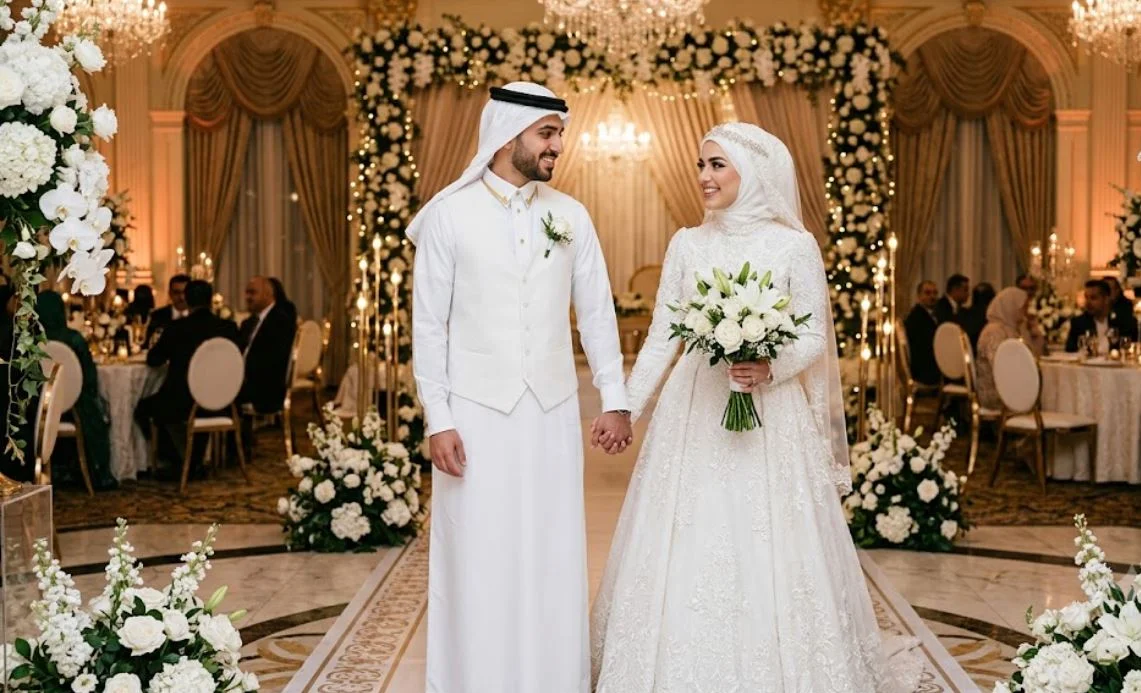
In today’s fast-paced digital era, navigating the path toward an Islamic marriage ceremony (Nikah) presents unique psychological and emotional complexities for young Muslims. Many find themselves torn between traditional cultural expectations and modern global realities, leading to feelings of anxiety, vulnerability, and decision fatigue. Psychologically, the search for a life partner is one of the most significant choices an individual will ever make, impacting mental health, emotional stability, and spiritual growth. Societal shifts have made it harder to find like-minded individuals who share the same values, commitment to the Deen, and long-term vision. This is where platforms like Errange Marriage step in, bridging the gap by providing a respectful, safer, and structured Muslim marriage platform that honors Islamic guidelines while using modern convenience to help individuals find their ideal spouse in a dignified manner.
“A marriage contract built on mutual respect, transparent intentions, and a shared love for Allah transforms a simple social agreement into an everlasting spiritual sanctuary.”
The Nikah is not merely a cultural celebration; it is a legally binding contract under Islamic law (Shariah) that requires specific essential components to be valid and blessed. Understanding these pillars ensures that the union begins on a solid, halal foundation.
1. Mutual Consent and Free Will (Ijab wal Qabul)
For an Islamic marriage ceremony to be valid, both the bride and the groom must enter into the contract with complete free will and clear consent. Forced marriages have no place in Islam; the formal offer (Ijab) and acceptance (Qabul) must be heard clearly by witnesses.
2. The Role of the Guardian (Wali)
The presence or consent of the bride’s guardian (Wali) ensures her protection, well-being, and rights are maintained during the negotiation process. This dynamic provides a layer of emotional security, screening out insincere individuals and emphasizing family involvement.
3. The Nuptial Gift (Mahr)
The Mahr is a mandatory gift given by the groom to the bride as a symbol of respect, security, and commitment. It belongs exclusively to her and represents the husband’s financial responsibility toward his wife from the very beginning of their journey.
For individuals looking for guidance on setting expectations or finding couples who successfully navigated these steps, reviewing Success Stories on specialized platforms can offer immense practical clarity.
Nurturing the Intention: A Guide to Halal Pre-Marital Interactions
Approaching marriage in Islam requires active effort, conscious communication, and a deep reliance on Allah. To maintain spiritual purity, Muslims must follow a clear framework when getting to know a potential spouse.
A Step-by-Step Halal Framework for Seeking a Spouse
-
Purify Your Intentions: Begin by asking yourself why you want to marry. Ensure your primary goal is to complete half your Deen and please Allah, which aligns your mindset for long-term emotional and spiritual success.
-
Involve Family Early: Avoid secretive relationships. Involving parents or a trusted guardian from the beginning keeps the interaction transparent, blessed, and free from emotional manipulation or false promises.
-
Utilize Safe Platforms: Choose dignified avenues for your search. Using structured tools like the Errange Marriage Home Page allows you to browse profiles based on values and compatibility within a safe, regulated environment.
-
Ask Meaningful Questions: Focus on core values, religious commitments, financial expectations, and long-term life goals rather than superficial topics during your supervised conversations.
-
Perform Salat al-Istikharah: Before finalizing any decision or moving to the official Nikah ceremony, pray the Prayer of Guidance to seek Allah’s ultimate wisdom and peace regarding the union.
Conclusion: Walking the Path of Tawakkul and Action
The Islamic marriage ceremony, or Nikah, is a beautiful milestone that transforms an earthly connection into an eternal partnership blessed by the Divine. As you embark on this beautiful path, remember to balance practical efforts with complete trust in Allah (Tawakkul). Finding the right spouse requires patience, a healthy mindset, and an unwavering commitment to halal boundaries. By utilizing modern, secure platforms designed for intentional Muslims, you protect your heart and your Deen, ensuring your journey toward a blessed Nikah begins with integrity and peace.