Can a Wife Refuse Her Husband in Islam? Answered
Can a wife refuse her husband’s bed in Islam?
Allah SWT says in the Holy Quran: “And among His signs is that He created for you mates from among yourselves, that you may find tranquility in them; and He placed between you affection and mercy” (Quran 30:21). Marriage in Islam is anchored in mutual love, compassion, and emotional security, rather than rigid entitlement or emotional coercion.
Understanding Intimacy, Rights, and Compassion in Islamic Marriage
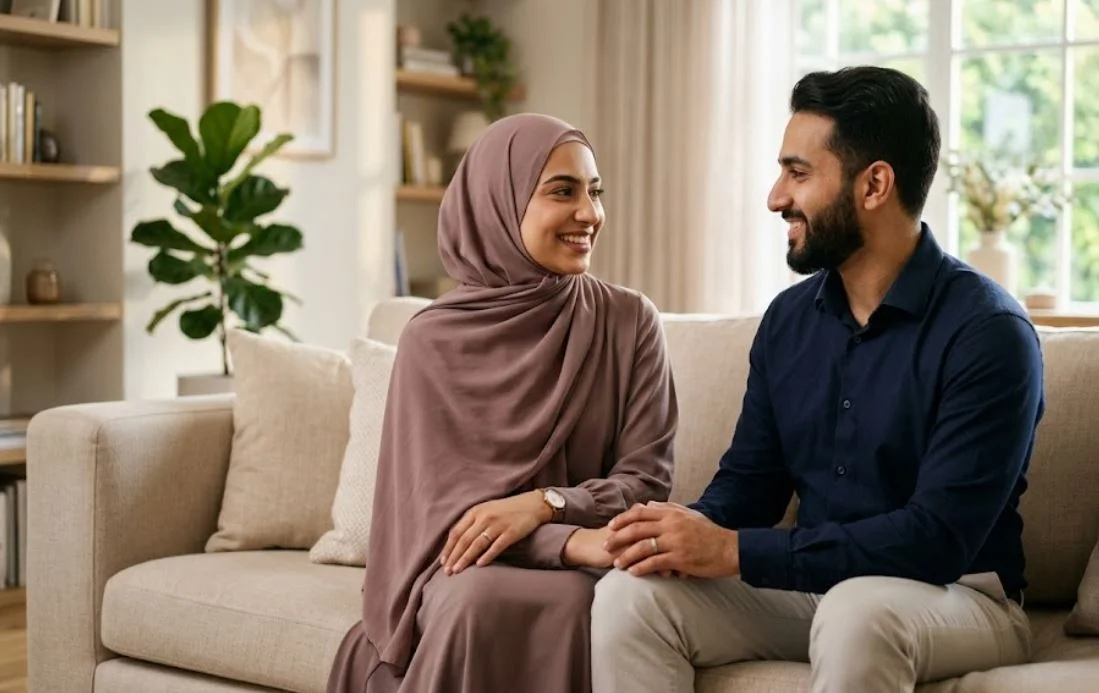
Islamic jurisprudence places immense emphasis on the physical and emotional rights of both spouses. While marital intimacy is considered a sacred act of worship that strengthens the bond between husband and wife, Islam never promotes physical or psychological harm (Dharar). A common point of confusion arises when discussing whether a wife can refuse her husband’s bed in Islam. The short answer is that while fulfilling physical needs is a shared marital duty, Islam explicitly acknowledges valid physical, psychological, and religious circumstances where a wife has full right to decline without sin.
When scholars address classical Hadiths regarding intimacy, they emphasize that these teachings encourage harmony and warn against using intimacy as a weapon of manipulation or spite. They do not give a husband permission to disregard his wife’s health, exhaustion, or emotional well-being. A healthy Muslim marriage requires the husband to act with tenderness (Mawaddah) and empathy (Rahmah). If a wife feels unwell, distressed, or emotionally overburdened, forcing or guilt-tripping her contradicts the foundational spirit of Islamic marital ethics.
What Islamic Ethics Say About Mutual Consent
“The most complete of believers in faith are those with the best character, and the best of you are those who are best to their wives.” — Prophet Muhammad ﷺ (Sunnah.com)
This foundational Hadith highlights that true piety is reflected in how gently a husband treats his wife, especially during moments of vulnerability and personal need.
Valid Reasons a Wife Can Decline Intimacy in Islam
Islam is a religion of ease and practicality. It never burdens a soul beyond what it can bear. Islamic scholars across major schools of thought outline clear situations where a wife is fully justified in declining intimacy:
-
Physical Illness or Pain: If a wife is sick, recovering from childbirth, or experiencing pain, her health takes absolute priority.
-
Menstruation and Postnatal Bleeding (Nifas): Intimacy during these periods is explicitly prohibited in Quranic law (Quran 2:222).
-
Obligatory Religious Fasts: During the daylight hours of Ramadan, physical intimacy is forbidden.
-
Severe Exhaustion or Fatigue: Physical strain from work, caretaking, or daily responsibilities is a recognized valid reason to rest.
-
Emotional Distress or Marital Harm: If there is ongoing abuse, harsh treatment, or unaddressed conflict, intimacy cannot be forced.
-
Lack of Halal Hygiene or Safety: Spouses are expected to maintain cleanliness and mutual respect for one another’s dignity.
Psychological Impact: Moving From Entitlement to Empathy
From a modern psychological perspective, intimacy thrives on emotional safety, trust, and connection. When physical closeness is treated as a unilateral right rather than a shared bond, it can lead to emotional detachment, anxiety, and marital resentment.
Why Communication Matters More Than Demands
When a spouse declines intimacy, it is rarely a rejection of the person; more often, it is a cry for rest, emotional connection, or relief from stress. Husbands who respond with patience and open communication build long-term trust. Listening to a partner’s emotional state creates an environment where both spouses feel valued and understood.
Overcoming Misconceptions
Cultural pressure sometimes distorts religious teachings, leading individuals to mistake cultural traditionalism for Islamic law. Islam protects women’s rights and dignity, ensuring that marriage remains a sanctuary of peace (Sakinah) rather than fear or pressure.
Building a Strong Foundation Before Nikkah
Preventing deep marital misunderstandings starts long before the wedding day. Choosing a spouse based on shared values, religious understanding, and emotional compatibility sets the stage for a healthy marriage.
If you are looking for a life partner who shares your Islamic values and commitment to mutual respect, platforms like Errange Marriage offer a safe, respectful environment to find a compatible Muslim spouse. You can explore their Pricing Packages or read real Success Stories to see how modern Muslims are connecting with care and dignity.
Step-by-Step: How Muslims Can Get to Know Someone for Marriage in a Halal Way
Getting to know a prospective partner requires clarity, boundaries, and intention. Following an Islamic approach ensures both parties remain protected while evaluating compatibility.
-
Clarify Intentions First: Ensure both individuals are seeking marriage (Nikkah) with serious intent, not casual dating.
-
Involve Family or a Wali Early: Transparency brings blessings (Barakah) and provides safety for both sides throughout the process.
-
Ask Meaningful Compatibility Questions: Focus discussions on core values, religious practice, emotional expectations, roles, and communication styles.
-
Maintain Halal Boundaries: Keep conversations respectful, avoid private isolation (Khalwah), and conduct meetings in public settings or with chaperones present.
-
Pray Istikhara for Guidance: Seek Allah’s guidance at every stage to ensure peace of mind before making a final commitment.
For assistance during your search, you can always reach out through the Errange Marriage Contact Page to learn how their matchmakers support halal introductions.
Conclusion
Can a wife refuse her husband’s bed in Islam? The complete Islamic answer balances rights with profound compassion. While physical intimacy is a key pillar of marriage, Islam never compels a woman to endure harm, illness, exhaustion, or emotional distress. A truly Islamic marriage is governed by love, patience, and mutual respect. By prioritizing emotional safety and clear communication, Muslim couples can build a peaceful, fulfilling partnership that lasts a lifetime.