4 Essential Conditions of Marriage in Islam
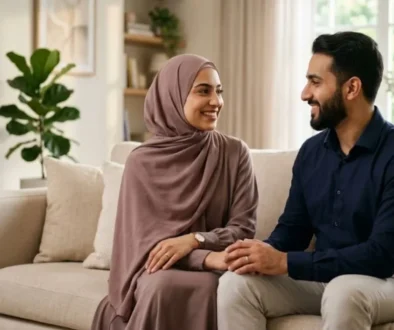
4 Conditions of Marriage, is not merely a social contract; it is a sacred covenant (Mithaqan Ghaleeza) built upon deep spiritual devotion, mutual responsibility, and emotional tranquility. As Allah (SWT) states in the Holy Quran: “And among His signs is that He created for you mates from among yourselves, that you may dwell in tranquility with them, and He has put love and mercy between your hearts” (Surah Ar-Rum, 30:21). For a Nikkah to be recognized as legal, valid, and spiritually blessed, specific Islamic conditions must be fulfilled.
Understanding the Sacred Bond of Nikkah in Islam
From a psychological and spiritual standpoint, the Islamic approach to marriage balances emotional fulfillment with legal clarity. The primary objective of the Nikkah is to establish a stable environment where two individuals can grow together in faith, companionship, and emotional safety. Unlike modern casual dating, which often creates emotional ambiguity, anxiety, and heartbreak, Islam provides a structured framework that protects the dignity, honor, and rights of both the bride and the groom.
When you understand the fundamental conditions of marriage in Islam, you gain clarity on what turns a simple commitment into a legally binding and spiritually rewarding relationship. Islam removes guesswork from courtship by setting clear boundaries that safeguard both parties against exploitation or misunderstanding. This clarity fosters psychological peace, ensuring both individuals enter the union with complete transparency, genuine intention, and equal respect.
Whether you are actively looking for a spouse or preparing for your upcoming Nikkah, understanding these conditions empowers you to build a foundation rooted in Islamic principles. Platforms like Errange Marriage help practicing Muslims navigate this journey by encouraging halal interactions that respect these Islamic guidelines from day one.
“The conditions that are most deserving of being fulfilled are those by which marital relations become permissible.” — Prophet Muhammad ﷺ (Sahih Al-Bukhari)
The 4 Essential Conditions of Marriage in Islam
For a Nikkah to be valid according to Islamic jurisprudence (Fiqh), four core conditions must be satisfied. Missing any of these key elements can invalidate the contract or compromise the spiritual integrity of the union.
1. Mutual Consent (Ijab and Qabul)
The absolute bedrock of any Islamic marriage is the free and willing consent of both the bride and the groom. In Islamic legal terminology, this offer and acceptance is known as Ijab (the proposal) and Qabul (the acceptance).
-
Freedom from Coercion: Islam strictly forbids forced marriages. Both individuals must enter the union out of their own free will.
-
Clear Expression: The proposal and acceptance must be stated clearly during the Nikkah ceremony, leaving no ambiguity regarding intent.
-
Psychological Readiness: True consent involves more than a verbal “yes.” It requires both partners to be emotionally mature and fully prepared for the responsibilities of marriage.
If either person is forced or manipulated into agreeing, the marriage contract is considered invalid under Islamic law. Authentic research on Islamic jurisprudence from scholars at IslamQA highlights that genuine choice is essential for a valid Nikkah.
2. The Bride’s Guardian (Wali)
In mainstream Islamic legal thought, the presence and approval of a Wali (the bride’s legal guardian, typically her father) is a critical condition for the marriage of a woman.
-
Protective Role: The primary duty of the Wali is to protect the bride’s best interests, evaluate the prospective groom’s character, and ensure she is entering a safe and honorable relationship.
-
Support System: Rather than acting as a barrier, a righteous Wali serves as an advisor and advocate, providing emotional and practical counsel during the vetting process.
-
Order of Guardianship: If the father is deceased or unavailable, guardianship typically transfers to the paternal grandfather, brothers, or other male relatives as outlined in Islamic law.
From a behavioral perspective, having a supportive guardian involved provides an objective perspective, protecting individuals from red flags that strong emotional attachments might otherwise overlook.
3. Two Upright Male Witnesses (Shuhood)
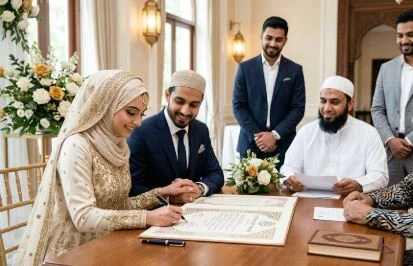
Publicity and accountability are core values of an Islamic marriage. To differentiate a secret affair from a noble Nikkah, Islam requires at least two upright Muslim witnesses (Shuhood) to witness the contract.
The essential requirements for witnesses include:
-
They must be sane, adult Muslims.
-
They should be known for their moral integrity (‘Adalah).
-
They must hear and understand the offer, acceptance, and agreement firsthand.
By requiring witnesses, Islam safeguards both spouses against future disputes regarding the legitimacy of their marriage. Detailed insights on marital jurisprudence can also be explored through educational resources at Yaqeen Institute.
4. The Mandatory Dower (Mahr)
The Mahr is a mandatory gift given by the groom directly to the bride as a symbol of respect, honor, and commitment. It belongs exclusively to the wife, and neither her husband nor her parents have any legal right to claim it without her explicit consent.
-
Financial Autonomy: The Mahr offers the bride financial security and confirms the husband’s duty to maintain and support her financially (Nafaqah).
-
Flexibility in Form: The Mahr can be monetary, property, or symbolic (such as teaching her a portion of the Quran), depending on what both parties mutually agree upon.
-
Ease and Moderation: Prophet Muhammad ﷺ encouraged moderation in Mahr to make marriage accessible and avoid placing unnecessary financial stress on the groom.
As recorded in authentic Hadith collections available on Sunnah.com, keeping the Mahr reasonable brings ease and blessings to the marriage.
How to Get to Know Someone for Marriage in a Halal Way
Finding a compatible partner while maintaining Islamic boundaries can feel challenging in today’s digital age. However, practicing Muslims can follow a clear, practical approach to get to know a potential spouse respectfully:
Final Thoughts: Building a Marriage Rooted in Faith
Understanding and fulfilling the conditions of marriage in Islam ensures that your Nikkah rests on a strong foundation of Islamic law, emotional health, and divine blessing. By prioritizing mutual consent, family involvement, transparent witnesses, and honor through Mahr, you set the stage for a loving and enduring partnership.
If you are ready to begin your journey toward finding a compatible spouse in a safe, respectful, and halal environment, explore how Errange Marriage can support you:
-
Learn more about our values and platform on our Home Page.
-
Explore options tailored to your needs by visiting our Pricing Packages.
-
Read inspiring real-life journeys on our Success Stories page.
-
Have questions? Feel free to reach out directly through our Contact Us page or download our mobile app to connect with verified members today.